
Starbucks transformation: many shots in one cup
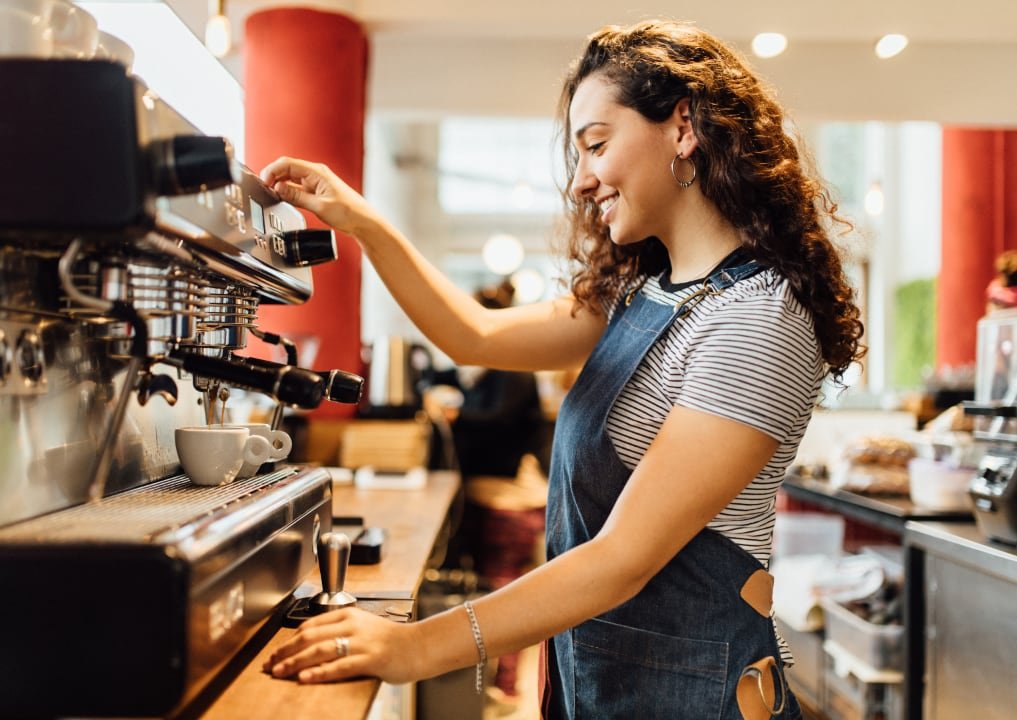
In 2022, following operational and financial breakdowns during the pandemic, the founder Howard Schultz returned as interim CEO. He launched an ambitious “Triple Shot Reinvention” strategy. The goal was to modernize stores, improve customers’ experience, adopt AI technology, and drive growth through new store opening. On paper, that sounded like company was taking charge of its future. In practice, it meant pushing multiple major changes through the organisation, that was still recovering from the shock of Covid restrictions.
Eyes bigger than the stomach
The new strategy rested on three big priorities:
- Elevate Starbucks brand through innovating and store modernization, including new formats- drive-thru only, pick-up only, delivery only.
- Digitalize operations and adopt AI- personalized offers, “Just walk out” check-outs.
- Expand globally by adding on average 8 new stores per day, with a special focus on China.
It was supported by bold enablers – the “two pumps”:
- $3 billion cost saving programme.
- Renewed focus on culture, powered by its 450,000 + global workforce.
It is worth mentioning that Starbucks also aimed to double hourly income for U.S. employees by FY25.
The AI was the engine of change – from optimizing barista schedules to creating personalized offers, catered to the Gen Z taste like all-day breakfast. The company invested massively in digital platforms aiming to double Starbucks Rewards members to reach 150 million in 5 years. Partnerships with Microsoft, Apple and Amazon promised seamless and innovative digital experience for the customers.
The intention was to reinvent the brand and fuel massive growth. Starbucks aimed to surf on the wave of changing customer habits and outcompete digital-native competitors. But buldozering the change through the company and the market did not bring the expected results.
Ambition vs reality
By 2024, the results were not matching the vision. Starbucks reported a 3% drop in same-store sales and later suspended its 2025 guidance. China, one of its most important international markets, also remained under pressure, with Starbucks’ China revenue falling from $3.16 billion in 2022 to $2.96 billion in 2024. Meanwhile, competitors like Luckin Coffee kept gaining ground, while Starbucks continued to struggle with market share and momentum.
On the global scale, the company continued renovating locations and investing in digital tools. But that did not result in delivering better customer experience. Digitalization drove overwhelming order customizations (extra pumps, alternative milks, custom foams). A single beverage could take three times longer than a standard menu item, resulting in severe ticket backlog. Additionally, mobile app’s algorithm got broke, miscalculating the waiting time. The customers were told the order would be ready in 3 minutes when the queue was actually 15 minutes long. This led to choatic handoff counters piled with melting, cold or completely abandoned drinks. Combined with rising prices, Starbucks was drifting away from its “third place” positioning between office and home. Instead, it started to feel cold and transactional.
Technology vs humans
Aiming at fast efficiency gains, Starbucks decided to implement a centralized, AI-driven scheduling system. However, the tool was disconnected from the operational store reality. It did not account for local rush hours, events, store conditions, traffic delay or roaster preferences across diverse markets. All those “messy” issues were previously handled by the stores managers and shift supervisors, who learned to navigate the complexity.
Automation removed that flexibility. “Optimized” scheduls left baristas understaffed at critical hours, having to deal with long queues and annoyed customers. Feeling controlled and stressed, they started to by-pass and even actively sabotage the system. Instead of freeing staff to focus on the service, the AI roll-out created chaos, leading to higher employee turnover and low morale.
In addition to that, Starbucks faced significant unionization, strikes, and walkouts over pay, staffing, and scheduling. In 2022, more than 3,000 U.S. employees participated in strikes. Overall, more than 450 strike days were logged across its 190+ unionized locations. That was a strong signal that Strabuck’s frontline employees were not getting onboard company’s transfromation journey.
Founder vs CEO
Leadership succession became another unexpected problem. Schultz did not quietly disappear after stepping down from the CEO role. He remained a powerful Board member, publicly voicing his disagreements with the new Starbucks CEO, Laxman Narasimhan.
Narasimhan, ex-McKinsey partner turned corporate executive, had previous experience at FMCG sector, including PepsiCo and Reckitt Benckiser. However, being accustomed to high-level strategique initiatives, he underestimated the impact of operational issues in retail. His “politically correct” posture did not match the situation that required assuming accountability and making bold decisions.
As a result of this strange leadership dynamic, everybody was lost. Employees wanted clarity about who is steering the business and what the real priorities were. Customers needed change. Investors looked for consistency and confidence. But leadership messages were pulling in different directions, exacerbating operational cracks.
Back to the future
Strategy is a choice. Starbucks tried to push in multiple directions at once: reinvent the brand, modernize operations, innovate, improve employee experience, expand globally, and implement technology. Refusing to choose one clear priority was its biggest mistake that ultimately led to a failure.
Financial markets traditionally reward ambitious vision. But these confidence credits do not last forever. One day the reality check arrives, and no corporae storytelling can replace operational results.
Narasimhan had to leave Starbucks in August 2024, merely 17 months after taking the job. The Board named Brian Niccol, a Chipotle and Taco Bell veteran, as the new CEO. Niccol’s strategy was simple and down to earth.“Back to Starbucks” became a plan for reinstoring a traditional coffeehouse culture and fixing operational in-store issues:
- Introduced a strict 4-minute order-to-drink standard to eliminate long queues.
- Directed $500M into additional barrister hours and expanded stores roasters, reducing understaffing and employee overwhelm.
- Spent $100k per store to reintroduce comfortable seating, ceramic mugs, and the classic condiment bars.
- Brought back personal touch requiring baristas to handwrite customer’ names on the cups, moving away from automated printed labels.
- Ditched the practice of constant discounts via the app that caused unpredcitable order surges.
- Eliminated the Non-Dairy Tax for oat, almond, or soy milk, removing a major friction point for customers.
- Introduced quarterly cash performance bonuses for frontline employees, doubled parental leave for the U.S. retail teams, and prioritized internal promotions.
Did that strategy pay off financially? Absolutely. It triggered a massive turnaround, pulling Starbucks out of its two-year downward trajectory. But it did not happen overnight – company needed time to heal operational wounds and restore broken trust. But by Q1 2026:
- Global same store sales jumped 6.2%, with the core U.S. market sales surging 7.1% , vastly outperforming Wall Street expectations.
- Global store traffic increased by 3% across all consumer income cohorts – meaning that casual, infrequent buyers were returning alongside Rewards members.
- In the first half of 2026 alone, Starbucks stock gained 25%.
The lesson learned from the Starbucks case is straightforward. A transformation needs to be aligned with the people who must live through it. No glossy strategy or fancy technology can delight customers more than a warm coffee accompanied by a smile of a committed “Green Apron” partner.